

With Clear Reasons Weather Changes Can Delay Transport and Planning
Weather plays a big role in how long hauling and moving jobs take. Rain, wind, heat, and snow all change how crews plan and work. Even mild weather shifts can cause delays. Roads may close, loading becomes slower, and safety rules change. When you know how weather affects schedules, you can plan better. You can also avoid rushed decisions. This guide explains what to expect and how to prepare. Each section shares clear steps and real examples you can use.
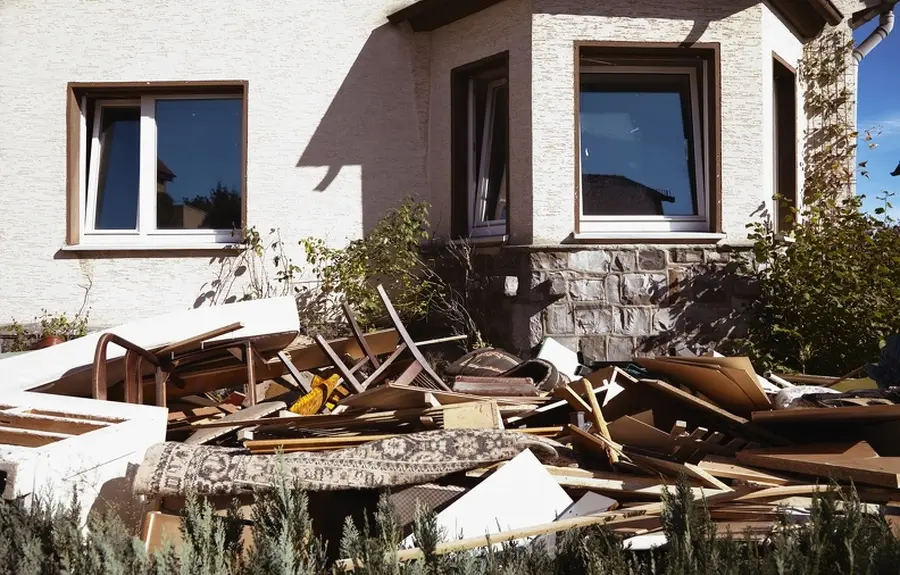
With Seasonal Weather Patterns That Shape Scheduling
Seasonal weather affects planning from the first phone call. Winter snow can block roads and slow loading. Summer heat can limit work hours for safety. During spring storms, Hauling Services often build extra time into plans. This helps avoid last minute changes. Fall wind can also affect tall or loose loads. Knowing these patterns helps you choose better dates. It also helps set realistic delivery windows.
With Clear Benefits of Weather Aware Planning
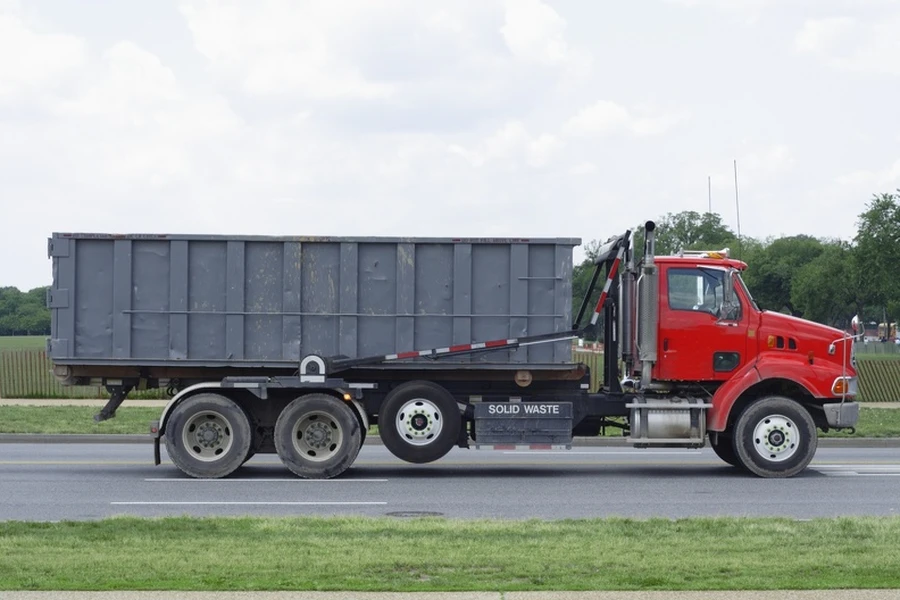
Planning around forecasts offers real value for your move. Many Hauling Services use weather data to protect loads and crews. This approach reduces damage risks and missed deadlines. It also lowers stress for you. When plans match conditions, crews work faster and safer. You also avoid added fees from delays or rebooking.
- Fewer schedule surprises
- Lower risk of load damage
- Safer working conditions
- Better use of time and labor
With Common Weather Related Challenges You May Face
Bad weather creates several common problems during hauling and moving. Rain can soften ground and block access points. Snow and ice slow trucks and increase crash risks. High heat can cause equipment issues. Strong wind may stop loading of large items. These issues can delay pickups or drop offs. They can also increase costs if extra time is needed.
With Practical Steps to Adjust Timelines
You can reduce delays by planning with flexibility. Start by watching forecasts early. Build buffer days into your schedule. Choose loading areas with good drainage. Ask about covered transport options. Clear communication also matters.
- Check weather reports one week before the move
- Confirm alternate dates if storms appear
- Secure items to handle wind and rain
- Allow extra travel time for trucks
With Best Practices Used by Experienced Crews
Reliable crews follow proven habits when weather changes. They inspect routes and adjust start times. Safety meetings happen before work begins. Loads get extra wrapping during rain or snow. Equipment checks increase during extreme heat or cold. These practices protect people and property.
- Use weather resistant covers and straps
- Adjust crew size to match conditions
- Pause work when safety risks rise
- Document changes to timelines
With Industry Rules and Safety Requirements
Weather planning also involves rules and standards. Federal and state laws require safe driving during storms. Weight limits can change on wet roads. Heat safety rules protect workers from illness. Ignoring these rules can stop a job. It can also lead to fines. Good planning keeps work compliant and on track.
With Cost Factors Tied to Weather Delays
Weather can affect your budget if plans change. Delays may add labor hours or fuel costs. Rescheduling can include new permits. Protective materials also add small fees. Planning ahead reduces these costs. Comparing options helps you decide.
- Pros: Better planning lowers surprise fees
- Pros: Safer work reduces damage costs
- Cons: Backup dates may limit availability
- Cons: Extra materials can raise prices
With Smart Next Steps for Reliable Scheduling
Located in Williamsburg, VA, we help clients plan around changing conditions. U Call We Haul Moving & Cleaning Co LLC focuses on safe timing and clear communication. We adjust schedules based on real forecasts, not guesses. Call (757) 930-5520 to discuss your timeline. Together, we plan moves that respect weather limits and reduce stress for everyone.